


The Student Becomes the Master: Aritzia’s Acquisition of Fred Segal is a Real Estate Coup
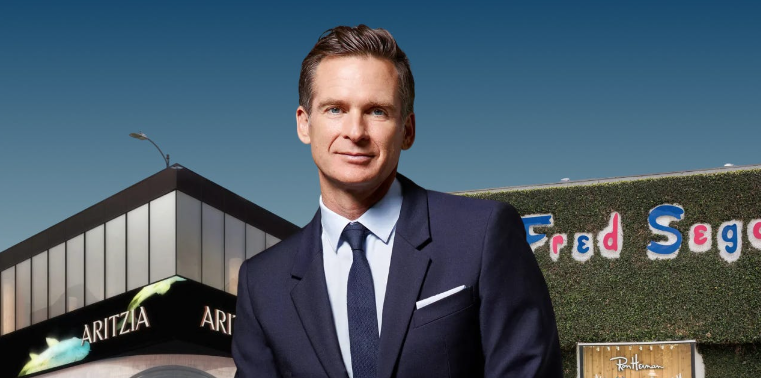
In the world of luxury retail, legacy is easy to lose but incredibly hard to build. Last week, the news broke: Aritzia has officially acquired Fred Segal. While the headlines focused on the "revival" of a Los Angeles icon, the real story is one of a decade-long strategic play that combines high-stakes real estate with a ruthless understanding of the modern consumer.
At Campbell Wellman, we often talk about the "long game" in property and brand building. Brian Hill, the founder of Aritzia, just showed the world how it's done.
The Blueprint: A Family Affair
The irony of this deal is that Aritzia was essentially built on the Fred Segal blueprint. Brian Hill’s family owned Hill’s of Kerrisdale in Vancouver, which operated on the same "shop-in-shop" concept Fred Segal pioneered in 1961—the idea of a curated discovery model where independent brands lived under one iconic roof.
But while Fred Segal rested on its laurels, Hill evolved.
Why Aritzia Succeeded Where Fred Segal Faltered
The downfall of the original Fred Segal model was its lack of vertical integration. As a multi-brand retailer, they were vulnerable to the "showrooming" effect: a customer would discover a brand on Melrose, then pull out their phone and buy it elsewhere for 15% less.
Hill’s brilliance was going vertical. Every brand under the Aritzia banner—Babaton, Wilfred, TNA—is proprietary. You cannot buy them anywhere else. This "house-brand" architecture protected their margins and allowed them to thrive in an e-commerce world that ate Fred Segal alive.
The Decades-Long Real Estate Play
This wasn’t a snap acquisition. It was a patient, 10-year siege:
-
2016: Brian Hill (via his firm CormackHill) buys the 8100 Melrose building for $43 million.
-
2016–2020: A fierce legal battle ensues over the rights to the "Fred Segal" signage. Hill loses the initial battle, but he remains the landlord.
-
2021–2024: While Fred Segal struggles through pandemic-era retail shifts, Aritzia uses the space for strategic pop-ups (like the Super World puffer jacket takeovers), essentially "test-driving" the flagship.
-
2026: Aritzia acquires the IP, the name, and the trademarks.
Breathing New Life into an Icon
Aritzia isn't just leasing the space; they are restoring the legend. CEO Jennifer Wong has already announced plans to revitalize the building's historic ivy-covered facade and transform the 29,000-square-foot site into an experiential destination.
By bringing their "Everyday Luxury" operational discipline to the Fred Segal name, Hill and his team are doing what the previous four owners couldn't: making it commercially sound while honoring the "California Cool" soul.
The Bottom Line: Brian Hill didn't just buy a house; he bought the "Master’s House" he spent his career studying. It’s a reminder that in both real estate and business, the ultimate asset isn't just the building—it's the vision and the vertical control that makes the building profitable.