


California Universities Expand Their Horizons: A Real Estate Boom
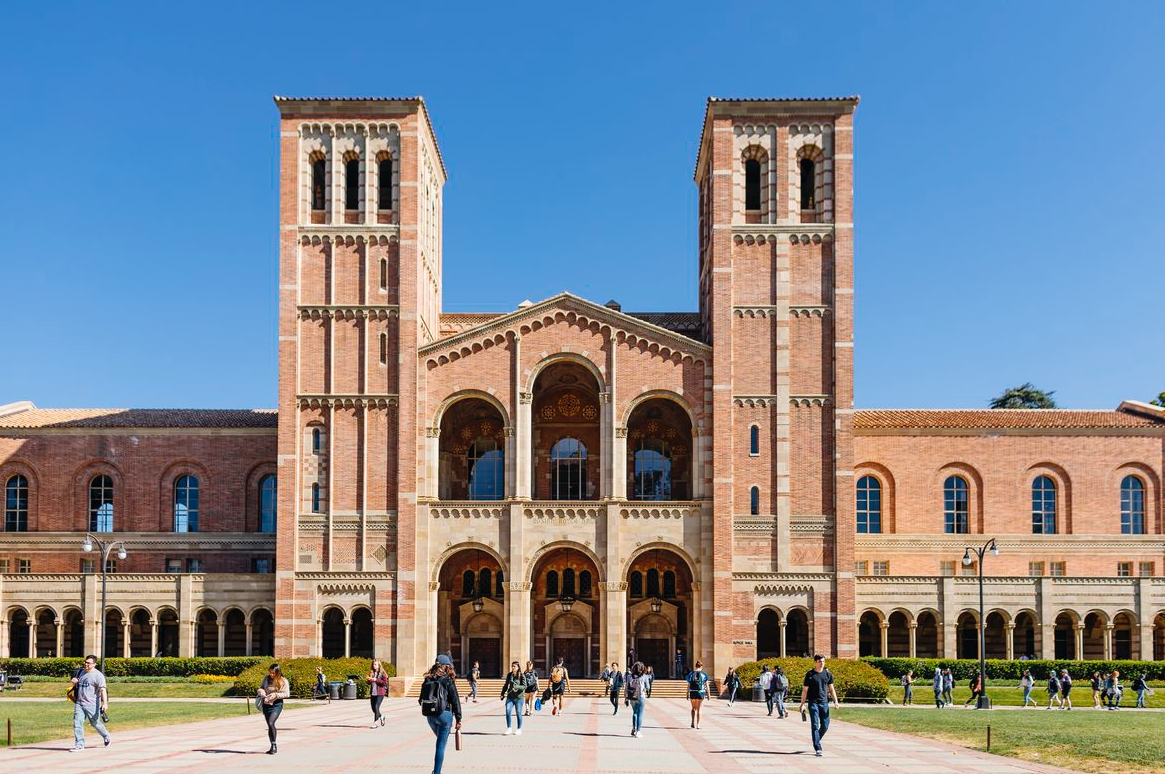
UCLA Campus
In a real estate market that's seen its fair share of ups and downs, one sector has remained surprisingly active: universities. As these institutions strive to grow and adapt to a changing world, they're making strategic investments in real estate.
Why are universities buying up property?
-
Space Constraints: Many campuses are simply running out of room. With increasing enrollment and academic programs, universities need more space for classrooms, research facilities, and student housing.
-
Strategic Expansion: Real estate acquisitions can help universities achieve specific goals. For example, UCLA's purchase of the Westside Pavilion Mall aims to create a research park, fostering innovation and collaboration.
-
Increased Access: By expanding into new areas, universities can make their education more accessible to a wider range of students. UCLA's satellite campuses in downtown Los Angeles and Rancho Palos Verdes are prime examples of this strategy.
UCLA Leads the Way
UCLA has been particularly aggressive in its real estate investments. In addition to acquiring satellite campuses and a research park, the university has purchased historic buildings like the Trust Building and expanded its footprint in downtown Los Angeles.
Other Universities Following Suit
Other universities, both in Los Angeles and across the country, are also getting in on the real estate action. USC has opened a campus in Washington D.C., while smaller schools like Pepperdine and Occidental have made strategic purchases.
The Benefits of University Real Estate Investments
-
Economic Development: Universities can contribute to economic growth in the communities where they operate.
-
Community Engagement: By expanding into new areas, universities can become more involved in the local community.
-
Strategic Advantages: Real estate investments can help universities achieve their long-term goals, such as becoming more research-focused or expanding their international reach.
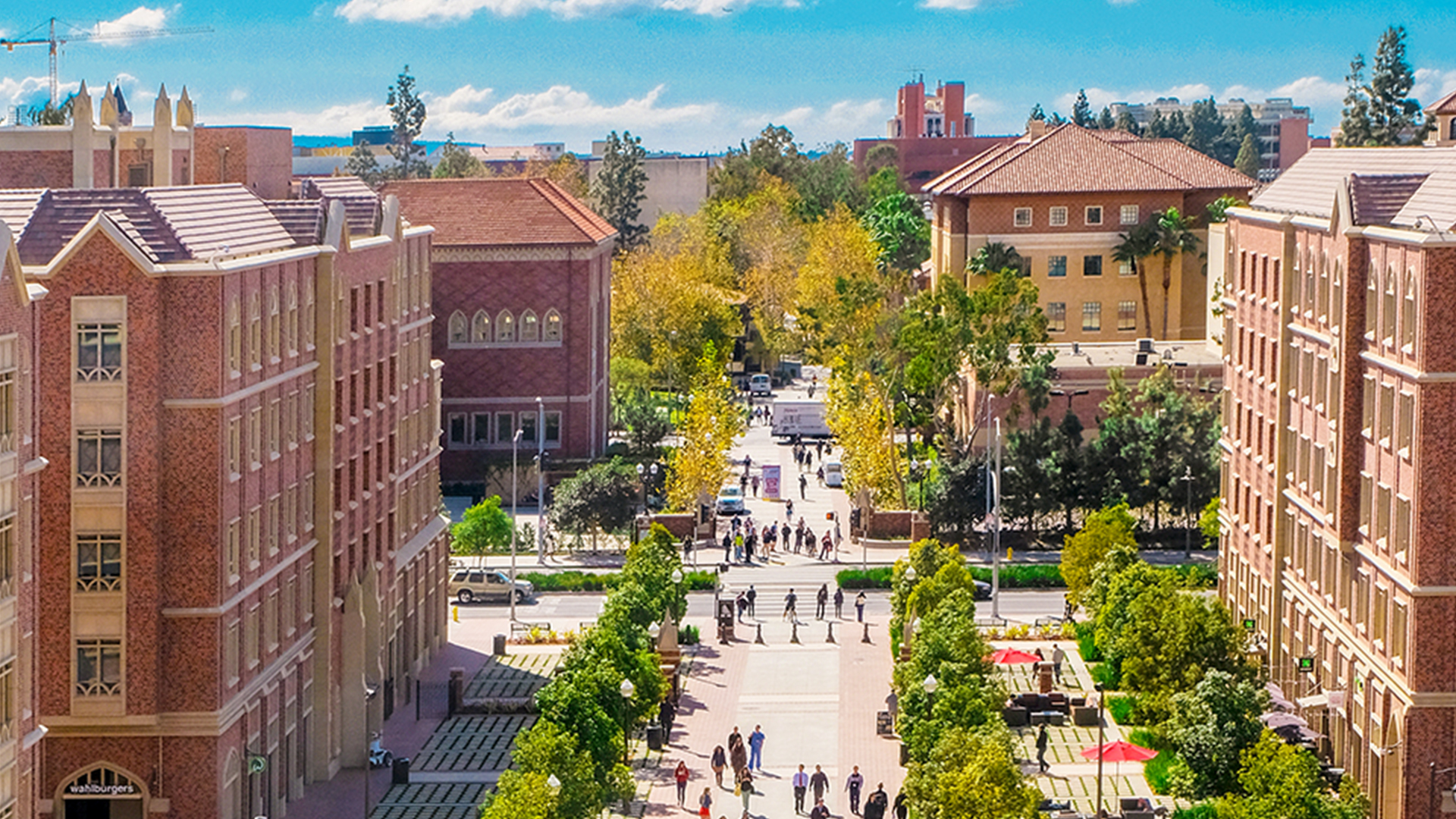
USC Campus
As universities continue to evolve, real estate will likely remain a key component of their growth strategies. These investments not only provide the physical space needed to thrive but also contribute to the broader economic and cultural landscape.