


Building for a Safer Future: Fire-Resilient Design in Palisades and Malibu WUI
The breathtaking beauty of Pacific Palisades and Malibu comes with a shared understanding: the risk of wildfire is a constant presence in our wildland-urban interface (WUI) communities. The recent fires serve as a stark reminder of this reality, underscoring the critical need to adapt and build homes that can not only withstand future fire events but also contribute to the overall safety of our neighborhoods.
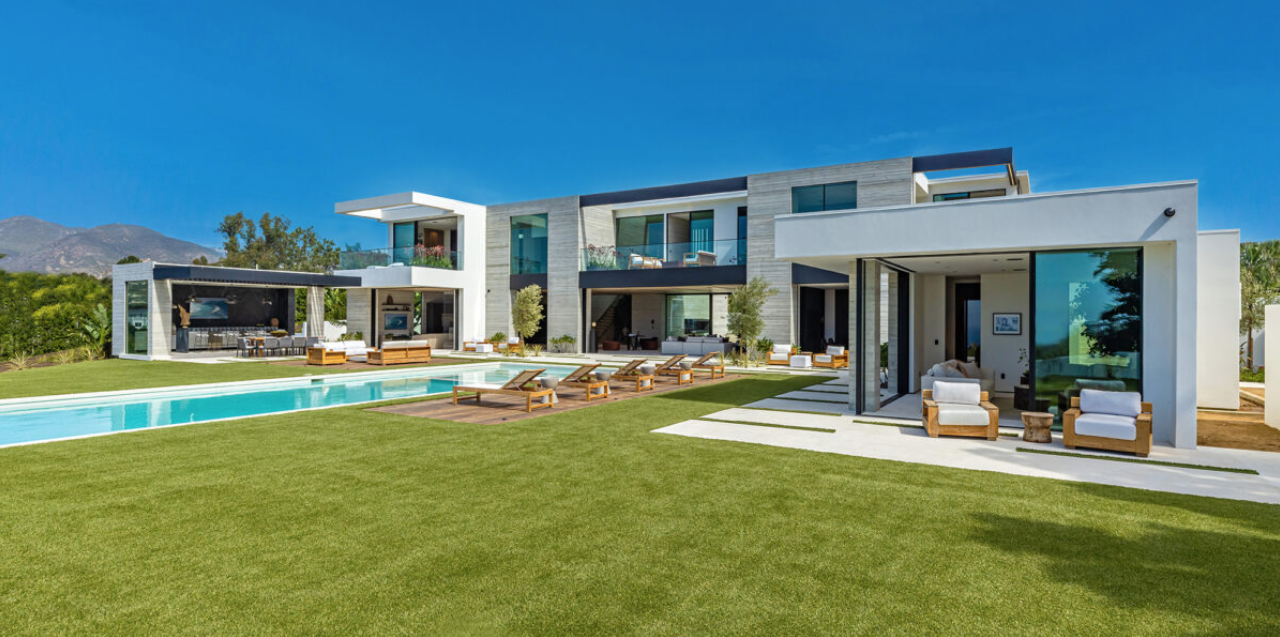
A great example of a “vent-free” home, built with fire-resistant materials and abundant defensible space. Photo by Berlyn Photography 2023.
Moving forward, the approach to rebuilding and new construction in these cherished coastal enclaves must prioritize fire-resilient design principles that go beyond standard building codes. These "new non-negotiables," informed by decades of experience and the latest scientific understanding of wildfire behavior in the WUI, offer a proactive and hopeful path toward a safer future.
Understanding the WUI Context in the Palisades and Malibu:
Both the Pacific Palisades and Malibu are prime examples of WUI environments, where homes are nestled amongst or directly adjacent to natural vegetation. This interface creates a unique set of challenges, as wildfires can rapidly spread from wildlands to developed areas, and vice versa. Recognizing this inherent risk is the first step towards embracing fire-resilient building practices that align with and often exceed local and state WUI regulations.
The Essential Elements of Fire-Resilient Home Design in the WUI:
-
Advanced Exterior Protection Systems: For homes in high-risk WUI zones like the Palisades and Malibu, proactive defense is key. This includes installing automated sprinkler systems on roofs and eaves, potentially utilizing fire retardant foam, and ensuring these systems have reliable remote monitoring and battery backups.
-
Integrating Purposeful Fire-Resistant Features: Every construction detail plays a role. Employing fire-rated caulking to seal vulnerabilities, selecting non-combustible decking for outdoor spaces, and planning for dedicated onsite water storage (where feasible and permitted) are crucial design considerations.
-
Strategic, Fire-Wise Landscaping and Robust Defensible Space: In the WUI, the landscape immediately surrounding a home is a critical factor in its survivability. This means meticulously choosing low-fuel plant varieties, ensuring ample spacing between vegetation and structures, and consistently maintaining a clear defensible space extending outwards from the home, adhering to local WUI guidelines.
-
Mandatory Class A Roofing: Given the vulnerability of roofs to ember showers, utilizing only Class A fire-rated roofing materials like metal or tile is non-negotiable in WUI zones.
-
Comprehensive Ember Defense Strategies: Embers are a primary ignition source in wildfires. New construction in the Palisades and Malibu should prioritize designs without crawl spaces and enclosed attic vents. Existing homes require retrofitting with fine mesh screens on all vents and the careful sealing of eaves and soffits. Non-combustible siding materials such as fiber cement, stucco, or stone are essential.
-
High-Performance Windows and Doors: Windows and doors must withstand intense heat. Opting for dual-pane tempered glass with fire-rated frames, and considering fire-resistant shutters or screens, provides vital protection. Vinyl frames should be avoided in favor of more resilient materials.
-
Exploring Non-Traditional Building Systems: While conventional wood framing is common, WUI construction can benefit from exploring alternative, highly fire-resistant systems like concrete-clad panels or Insulated Concrete Forms (ICFs), which offer superior protection and energy efficiency.
Building a Safer and More Resilient Future in the Palisades and Malibu:
Rebuilding and new construction in the Pacific Palisades and Malibu WUI demands a commitment to these enhanced fire-resilient design principles. By working with architects, builders, and landscape professionals who specialize in WUI regulations and fire-safe building practices, homeowners can create homes that not only meet the stringent requirements of these zones but also offer a significantly greater level of protection against the inevitable threat of wildfire. This proactive and informed approach is essential for safeguarding our families, our homes, and the unique character of our cherished coastal communities.
Please reach out to discuss your options for redesigning and building your home for true safety and longevity.