The 192-Acre Canvas: What the Santa Monica Airport Transformation Means for Westside Living
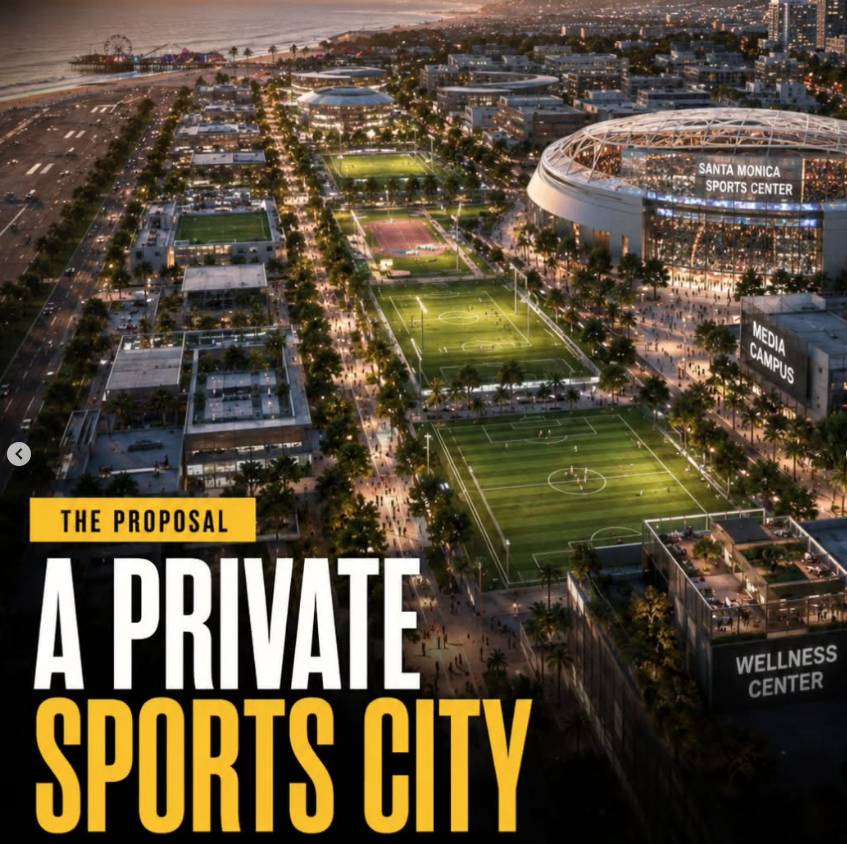
When you look at a map of Los Angeles, green space is a rare luxury. Coastal land, in particular, is essentially fixed in stone. That is precisely why the pending closure of the Santa Monica Airport (SMO)—scheduled to cease all aviation operations at the end of 2028—represents one of the most significant, once-in-a-generation land-use transformations in California’s history.
For years, the future of this 192-acre parcel has sparked passionate debates across the Westside. Should it be transformed entirely into a massive, world-class "Great Park"? Should it accommodate housing to alleviate regional affordability pressures? Or can adaptive reuse deliver an interconnected blend of nature, community culture, and neighborhood commerce?
As the Santa Monica Airport Conversion Project (SMACP) advances toward its preferred scenario framework, one thing is abundantly clear: whatever takes shape on this historic footprint will fundamentally elevate the quality of life, community energy, and real estate values across Santa Monica and Venice for decades to come.
Inside the Vision: Eight Parks in One
The city’s official draft planning framework conceptualizes the site as eight interconnected districts, designing a multi-use urban oasis that honors Measure LC’s park-first mandate.
Rather than a single static lawn, proposals envision a dynamic destination that includes:
-
Immersive Nature & Native Habitat: Restoring native coastal ecosystems, tree canopies, and quiet walking reserves.
-
Active Athletics & Aquatics: Organized sports fields, multi-use cycling/running tracks, and potential public swimming facilities.
-
Arts, Culture & Community Hubs: Outdoor amphitheaters, creative spaces, and food halls utilizing adaptive reuse of airport hangars.
-
Urban Edge Connections: Seamlessly integrating park borders with neighboring Westside communities, creating pedestrian-friendly corridors into Mar Vista and Venice.
With major initial funding already pouring in—including a $10 million Proposition 4 Climate Bond grant awarded by the state—the momentum to turn tarmac into world-class green space is very real.
The Real Estate Ripple Effect: Why Surrounding Values Will Soar
In urban real estate, proximity to premier public amenities is one of the strongest drivers of property appreciation. Just as Central Park shapes Manhattan values and Golden Gate Park elevates San Francisco neighborhoods, turning 192 acres of jet runways, noise, and aviation emissions into a lush metropolitan park is a monumental catalyst for nearby residential property.
-
Noise & Air Quality Elimination: Removing jet traffic instantly enhances the peacefulness, air quality, and desirability of homes in Sunset Park, Ocean Park, and Mar Vista.
-
Unmatched Lifestyle Access: Neighborhoods adjacent to SMO will gain direct, walkable access to almost 200 acres of curated outdoor recreation, culture, and open space—a feature practically unheard of in dense coastal Southern California.
-
Sustained Demand: As the park takes shape, surrounding single-family homes, architectural compounds, and custom remodels will sit at the doorstep of the Westside's crown jewel public space, locking in long-term demand for decades.
The Campbell Wellman Take
Opportunities like this happen once in a century. Replacing an active runway with 192 acres of world-class parkland, art, and community space is going to redefine what it feels like to live on the Santa Monica-Venice border. If you own property near the airport footprint or are looking to invest in surrounding neighborhoods like Sunset Park or Mar Vista before the 2028 closure, you are positioning yourself ahead of a major historical shift. Reach out to us at Campbell Wellman for strategic real estate guidance or Spiegel Wellman Construction to discuss how to optimize your nearby home to capture this unprecedented lifestyle wave.